Cellular Metabolism Research Compounds
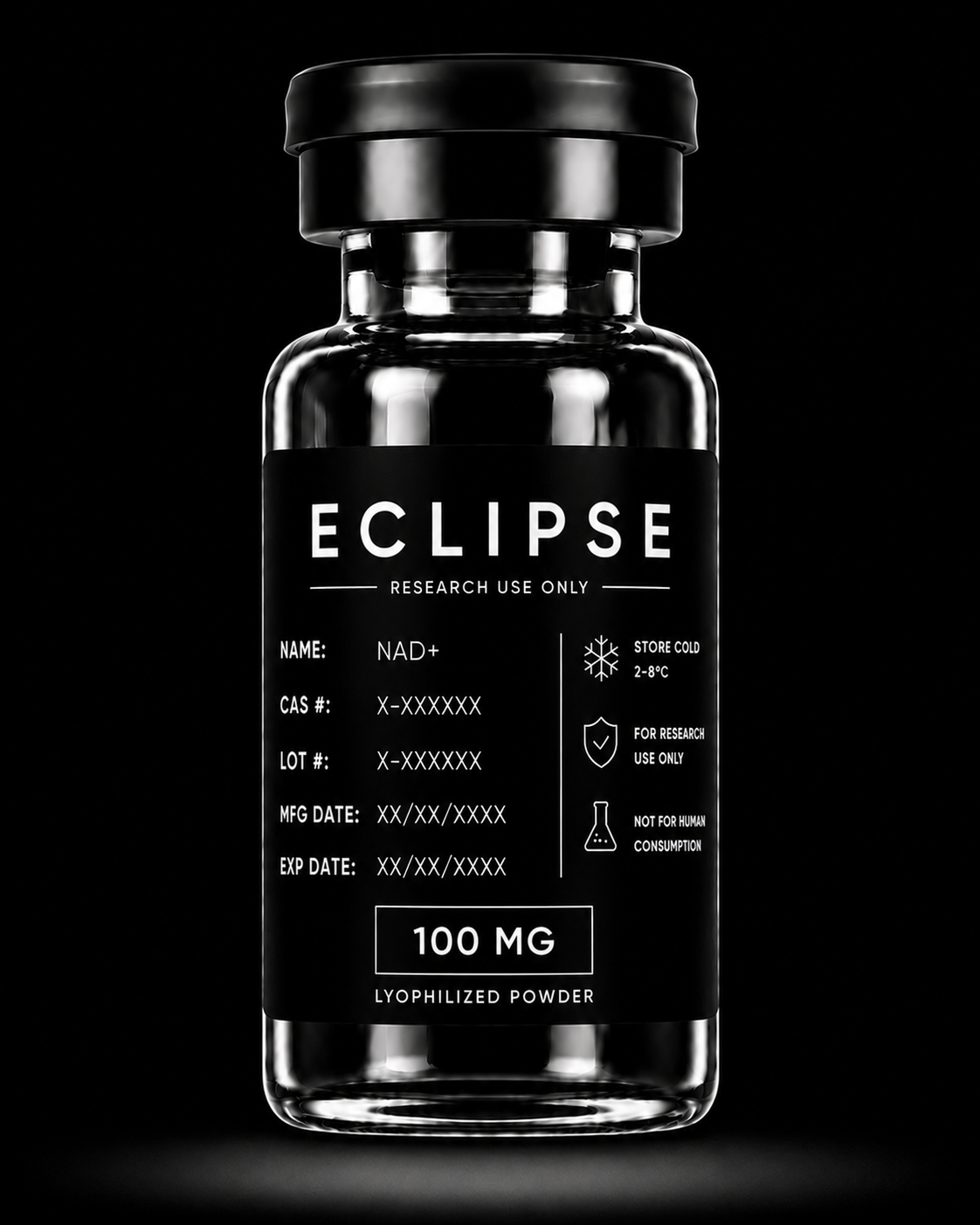
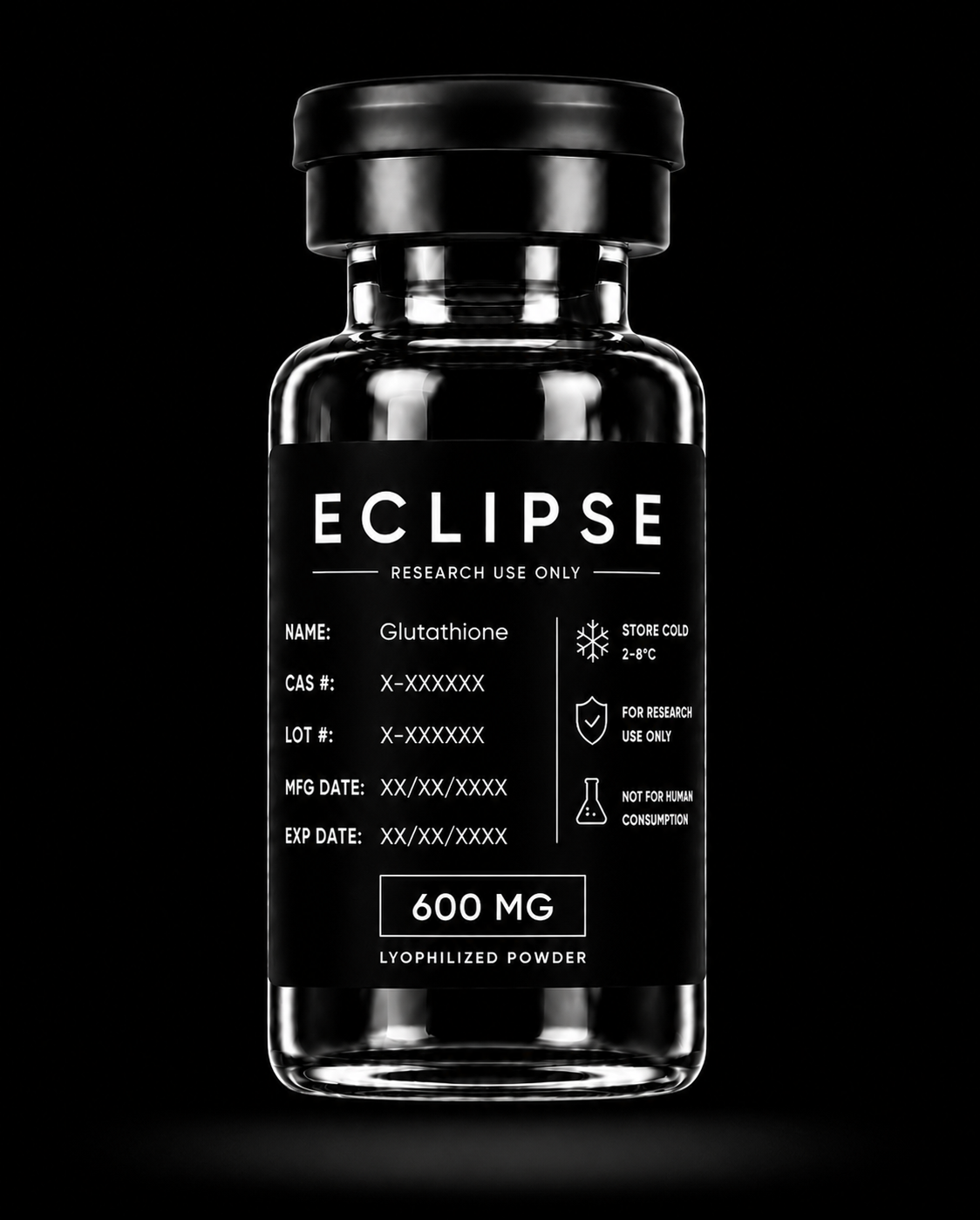
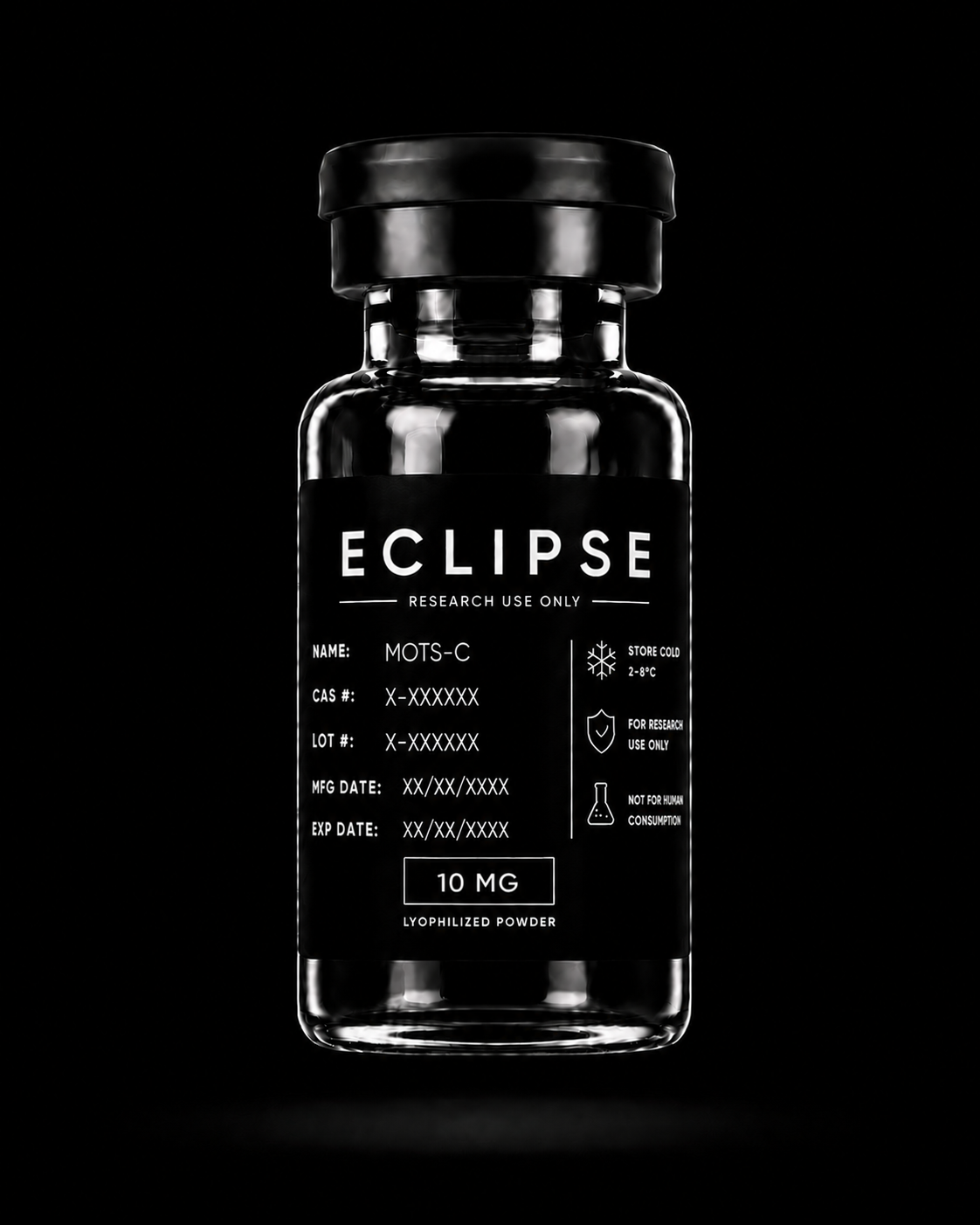
Eclipse Peptides' cellular metabolism research category features high-purity reference compounds studied in the context of redox biology, sirtuin activity, and mitochondrial function. Each compound — NAD+, reduced Glutathione (GSH), and the mitochondrial-derived peptide MOTS-C — is supplied as a lyophilized powder at ≥99% purity and characterized by molecular formula, CAS number, and analytical purity. All compounds in this category are third-party tested and ship with a batch-specific Certificate of Analysis. These products are intended strictly for in-vitro laboratory research and are not for human or animal use.
Category FAQ.
What compounds are in the cellular metabolism research category?+
Nicotinamide adenine dinucleotide (NAD+), reduced glutathione (GSH), and the mitochondrial-derived peptide MOTS-C.
What purity are these compounds?+
All compounds in this category are specified at a minimum ≥99% purity and verified by third-party HPLC and mass-spectrometry testing.
Do they ship with documentation?+
Yes. Every batch ships with a batch-specific Certificate of Analysis documenting identity, purity, and quantitative data. Safety Data Sheets are available on request.
How should these compounds be stored?+
Supplied as a lyophilized powder and stored at 2–8°C per each product's specification. Consult the Certificate of Analysis for reconstitution and long-term storage guidance.
Are these dietary supplements?+
No. They are research reagents supplied for in-vitro laboratory investigation only and are not intended for human or animal use.